
The SASSA Social Relief of Distress (SRD) Grant, commonly known as the R370 SRD Grant, remains a vital lifeline for millions of unemployed South Africans. This guide explains who qualifies, how to apply, how payments work, and what to do if your application is declined—all in simple, up-to-date language.
What Is the SASSA SRD Grant?
The SRD Grant is a temporary social assistance grant provided by the South African Social Security Agency (SASSA) to individuals with no income and no other form of government support.
- Grant amount: R370 per month
- Target age group: Unemployed adults aged 18 years to 59 years
- Purpose: Basic financial relief for essentials like food, transport, and airtime
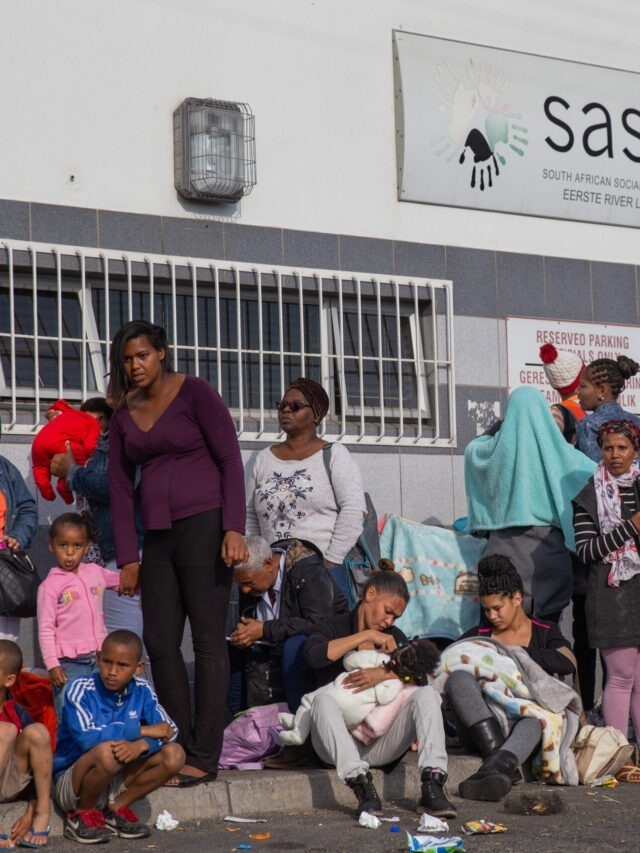
Who Qualifies for the SASSA SRD Grant?
To be approved, applicants must meet all the following conditions:
Eligibility Requirements
- Must be a South African citizen, permanent resident, or registered refugee
- Aged 18 to 59 years old
- Must be unemployed
- Earn less than R624 per month
Not receiving:
- National Student Financial Aid Scheme (NSFAS) funding
- Unemployment Insurance Fund (UIF) payments
- Any other SASSA grant
Even small bank deposits can affect approval due to SASSA’s monthly means test.
READ THIS: SRD Grant 2026: What Millions of South Africans Must Know Right Now!
How to Apply for the SASSA SRD Grant
Applying is free and fully online.
Online Application Steps
- Visit the official SRD website
- Enter your ID number and cellphone number
- Receive and confirm the OTP
- Complete your personal and banking details
- Submit your application
Applications take 5 to 10 minutes and do not require supporting documents.
SRD Grant Payment Dates (How Payments Work)
Unlike permanent grants, SRD payments do not have fixed dates.
- Payment Methods
- Bank account (preferred)
- Postbank account
- Retail collection points (limited availability)
SASSA releases payments in batches each month, usually toward the end of the month once verification is complete.

How to Check Your SASSA SRD Grant Status
Checking your status helps you track approval, payment dates, or declines.
Status Results Explained
- Approved: Payment is being processed
- Pending: Verification still ongoing
- Declined: Did not meet the criteria
- Paid: Funds have been released to your account
Always ensure your banking details are correct to avoid delays.
Common Reasons for SRD Grant Declines
Many applicants are declined due to automated checks, not manual errors.
Frequent Decline Reasons
- Bank account shows income above the limit
- UIF or NSFAS detected
- Incorrect personal details
- Duplicate application
How to Appeal a Declined SRD Grant
If declined, you have the right to appeal within 90 days.
Appeal Tips
- Appeal for each declined month
- Use the same details you applied with
- Appeals can take 30–90 days to process
A successful appeal results in a backdated payment for that month.
READ THIS TOO: SASSA Grant Payment Dates for 2026 (Monthly Schedule)
SRD Grant & Loans: Important Warning
The SRD Grant is not designed to be used as loan security.
- SASSA does not offer SRD loans
- Be cautious of lenders claiming “SASSA-approved loans”
- Never share OTPs or SRD login details
Always use registered credit providers regulated by the National Credit Regulator (NCR).
Frequently Asked Questions (FAQs)
Get more of the answers you need:
Q: Is the SRD Grant permanent?
A: No. It is reviewed and extended periodically by the government.
Q: Can I apply again if declined?
A: Yes. You may reapply or appeal every month.
Q: Does SASSA send SMS notifications?
A: Yes. Approval and payment updates are sent via SMS.
Final Thoughts
The SASSA SRD Grant continues to play a crucial role in supporting unemployed South Africans during tough economic times. Understanding the rules, application process, and payment system greatly improves your chances of approval and timely payment.
For more SASSA updates, grant guides, and responsible credit information, explore related articles on zar-loans.co.za.
Disclaimer: zar-loans.co.za is an independent information platform and is not affiliated with SASSA or the South African government. All information is provided for educational purposes only.